



ARTICLE SUMMARY
- The closure and disruption of the Strait of Hormuz is affecting manufacturers by increasing energy costs, tightening petrochemical and materials supply, and extending transportation timelines.
- Real-world reporting shows the effects are reaching automotive, semiconductor, metals, chemicals, and other energy-intensive sectors.
- The article explains how geopolitical risk becomes an operational issue on the factory floor through cost volatility, supply uncertainty, and production scheduling challenges.
- It also shows why digital factory tools such as MES, historian data, and cross-plant visibility matter more when external disruptions change conditions quickly.
The closure of the Strait of Hormuz during the escalating conflict involving Iran has pushed one of the world’s most important shipping chokepoints back into focus for manufacturers.
In normal conditions, a large share of globally traded oil and a substantial volume of liquefied natural gas move through this narrow waterway, so disruptions there quickly spill into energy pricing, transportation costs, and industrial supply chains.
For manufacturers, this is no longer just a geopolitical headline… It is an operations story about costs, lead times, supply continuity, and resilience.
That is what makes the Hormuz crisis worth examining through a manufacturing lens, which is what we are doing today.
Why The Strait of Hormuz Matters To Industry
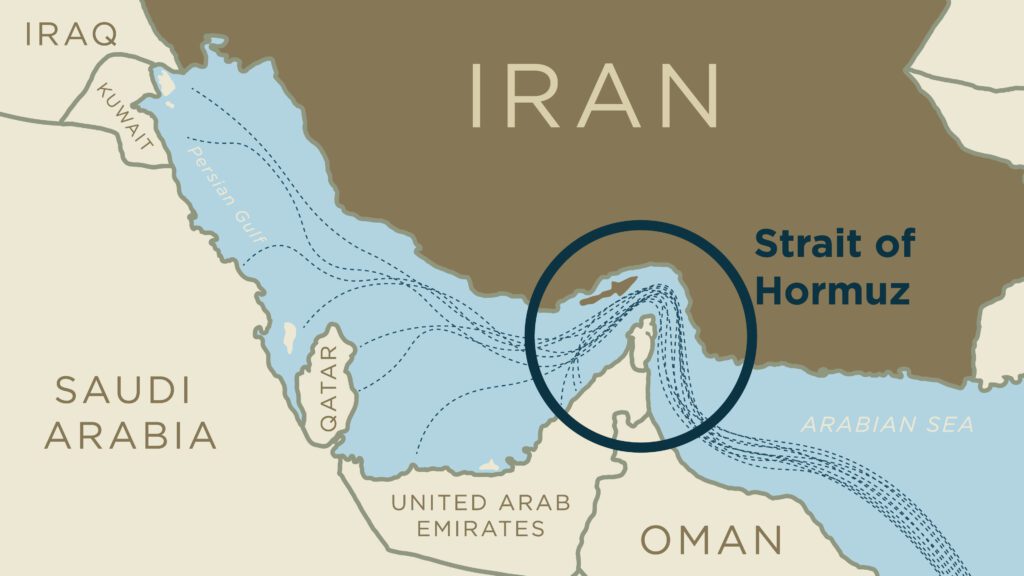
The Strait of Hormuz sits between the Persian Gulf and the Gulf of Oman, and it functions as a key outlet for oil and gas exports from major Gulf producers.
According to current reporting from CNBC, exporters have been scrambling to move product through alternative pipelines and routes, but there are no easy substitutes for normal tanker traffic through Hormuz.
Coverage from BBC News and Al Jazeera also describes a sharply disrupted shipping environment shaped by attacks, seizures, and heightened military tension.
For manufacturers, the significance is straightforward.
When a route that normally carries around one fifth of globally traded oil becomes constrained, the result is upward pressure on energy markets and greater uncertainty around fuel and feedstock availability.
The Atlantic Council has framed the situation as a choice between rationing supply now or facing a steeper economic price later.
That kind of disruption matters far beyond refineries and shipping firms because industrial production still depends heavily on stable energy inputs, predictable freight movement, and accessible raw materials.
Beyond Crude Oil: Materials And Feedstocks Under Pressure
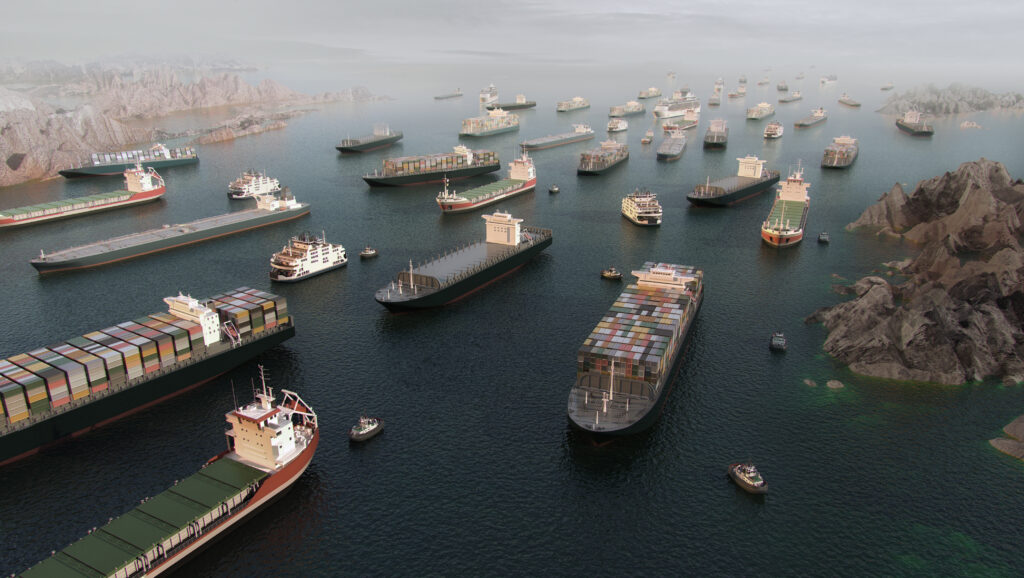
The manufacturing impact of the Hormuz disruption does not stop with crude oil.
A World Economic Forum analysis points to a range of commodities affected by the crisis, including LNG, LPG, methanol, sulfur, and other products that matter across industrial value chains.
An Atlantic Council analysis also notes that a prolonged disruption can ripple into plastics and other downstream supply chains through reduced availability of petrochemical feedstocks.
That matters on the factory floor because petrochemicals sit inside a wide array of manufactured goods.
Resins, coatings, adhesives, packaging materials, engineered plastics, and synthetic rubber all rely on hydrocarbon-linked inputs.
When these materials become more expensive or harder to source, manufacturers are forced to absorb cost increases, search for alternate suppliers, or adjust production plans.
In practical terms, that can mean lower margins, more frequent rescheduling, and longer customer lead times.
The effect is often indirect at first.
A plant may not stop because of one delayed shipment, but production planners may still have to change schedules because a supplier has moved to allocation or can no longer guarantee the same delivery pattern.
Automotive and Metals Exposure
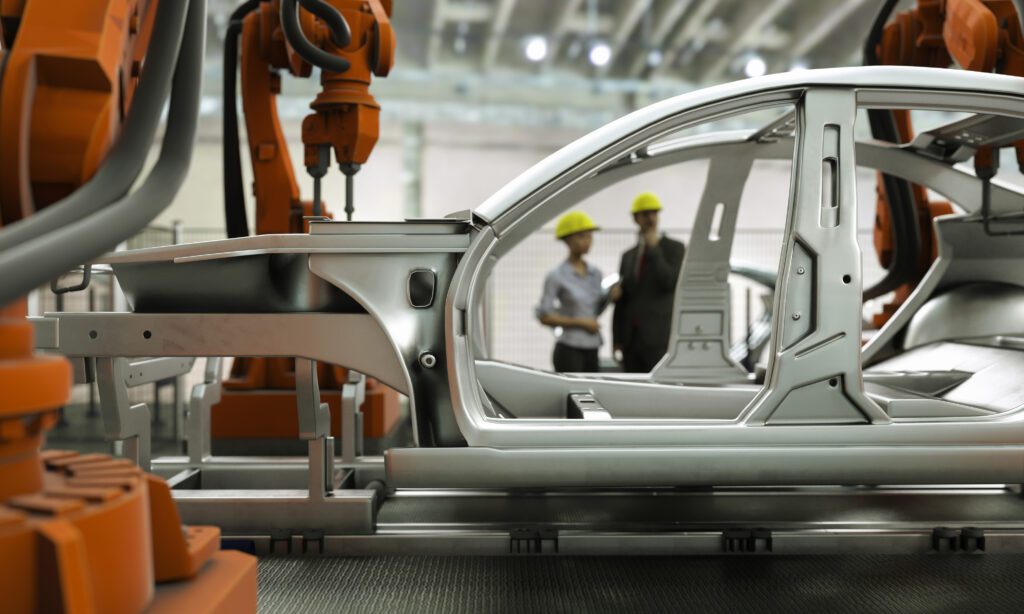
Automotive and metals producers are especially exposed to this kind of disruption.
Automotive Manufacturing Solutions reports that the conflict is hitting the factory floor through higher energy prices, rising aluminum costs, and strain across vehicle supply chains.
The same analysis notes that Gulf Cooperation Council countries account for about 9 percent of global primary aluminum production, and that their importance rises materially when China is excluded from the sourcing picture for many Western and Japanese manufacturers.
That is important because aluminum is not a niche input.
It is a core material in vehicle light-weighting, structural components, castings, and many industrial products.
If energy-intensive Gulf smelters face disruption, manufacturers downstream can experience both price inflation and supply uncertainty.
The result is not always an immediate plant shutdown.
More often, it shows up first as purchasing pressure, margin compression, and more difficult production planning.
Automotive manufacturers are especially sensitive to this type of pressure because they operate complex supplier networks with narrow tolerances for delay.
A sustained rise in aluminum costs or instability in upstream energy markets can affect supplier health, component pricing, and the timing of inbound deliveries.
Even when assembly plants remain online, planners may need to revise build schedules, prioritize the most profitable programs, or work around constrained material availability.
That makes Hormuz more than an energy story. It becomes a scheduling and sourcing story inside the plant.
Semiconductor Risk Is Different but Real
The semiconductor sector feels this kind of crisis differently, but it is still exposed.
A Habtoor Research paper on the Strait of Hormuz closure argues that the crisis is revealing structural vulnerabilities in the global semiconductor supply chain.
The report points to the importance of shipping routes for critical inputs, specialized gases, and high-value fabrication equipment, all of which depend on carefully timed logistics.
Semiconductor manufacturing is unusually sensitive to timing and quality variation.
Delays involving specialty chemicals, gases, or advanced equipment can affect qualification schedules, ramp plans, and customer deliveries well beyond a single facility.
Even when chips are not manufactured in the Gulf itself, disruptions in energy markets and logistics networks can still affect the broader supply ecosystem.
That makes Hormuz a useful example of how a distant geopolitical conflict can create real manufacturing risk in precision industries.
This matters to manufacturers outside the semiconductor sector as well.
Chips support factory automation, controls, industrial equipment, and automotive electronics.
When semiconductor supply chains come under new stress, the consequences can ripple across many other industries that depend on stable electronics supply.
The lessons from earlier chip shortages still linger, and the current crisis is a reminder that many of the same structural vulnerabilities remain in place.
Energy-Intensive Manufacturing Faces Direct Pressure
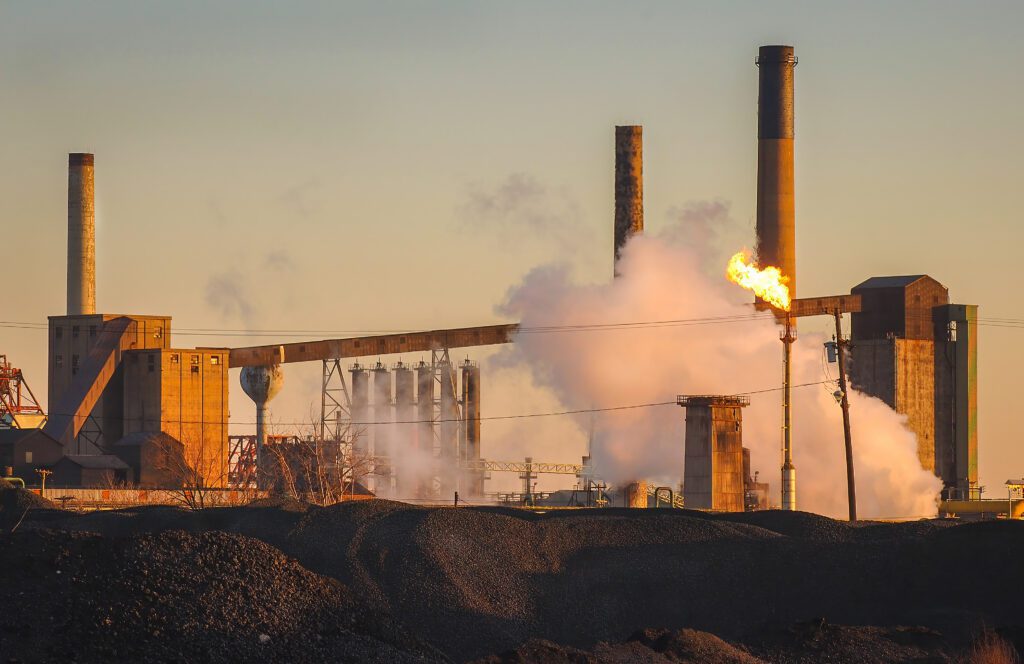
Steel, cement, glass, chemicals, and other energy-intensive industries are also vulnerable when oil and gas markets are disrupted.
Reuters and CNBC both describe the practical limits of alternative export routes, which means the supply shock does not disappear simply because a few pipeline options exist.
The Atlantic Council has argued that a prolonged closure would force difficult policy and market choices around scarce supply.
For industrial operators, energy price swings are not a background issue.
They directly affect furnace economics, batch scheduling, product mix decisions, and cost competitiveness.
In some cases, the question is whether a line should run at the same pace as before.
In others, the challenge is how to protect service levels while raw material and energy assumptions are changing week by week.
These are not theoretical concerns. They are decisions that affect output, margins, and customer commitments.
The pressure becomes even greater in operations with large continuous processes or narrow cost tolerances.
When energy prices move rapidly, plants may need to revisit maintenance timing, shift patterns, or campaign sequencing.
Supply Chains Feel the Secondary Shock
One of the most important lessons from the Hormuz disruption is that the first shock is rarely the only shock.
The initial issue may be a blocked route or higher crude prices, but the secondary effects can spread much farther.
Freight rates can rise as vessels reroute or insurers reprice risk.
Suppliers can lengthen lead times as they wait for clarity on shipments and input costs.
Buyers can also begin ordering more defensively, which adds volatility to an already stressed system.
This pattern has appeared repeatedly in recent years.
The direct cause may be regional, but the consequences become global because supply chains are deeply interconnected.
The AP and other logistics-oriented analyses have noted that the Iran conflict is contributing to broader supply chain stress and higher prices across categories.
For manufacturers, this makes scenario planning more important than reacting to a single news cycle.
The bigger issue is not only what happened today in Hormuz, but what a sustained period of volatility will do to supply reliability over the next quarter or two.
Why Digital Factories Matter More in a Crisis

The Hormuz situation highlights a broader truth about modern manufacturing.
When energy, logistics, and materials conditions become volatile, companies need more than static plans and delayed reporting.
They need timely production data, accurate visibility into inventory and work-in-process, and a way to model how changing constraints affect capacity, costs, and commitments.
That is where digital factory capabilities become more valuable.
Manufacturers with strong MES, historian, and analytics foundations are better positioned to see how disruption is affecting throughput, downtime, energy consumption, and schedule performance across plants.
They are also in a stronger position to rebalance work, run scenario analysis, and coordinate decisions across operations, supply chain, and management teams.
The crisis in and around Hormuz does not create the need for digital manufacturing transformation, but it does make the cost of limited visibility much easier to see.
If a supplier extends lead times, the plant needs to know which orders and assets are affected first.
If a utility spike changes the economics of a process, leaders need enough data to evaluate options before those costs accumulate.
Digital factory tools do not remove geopolitical risk, but they can make the response faster and more coordinated.
What Manufacturers Should Take from This Moment
The conflict involving Iran and the disruption around the Strait of Hormuz show how quickly external events can alter the assumptions behind production planning.
A shipping chokepoint on the far side of the world can quickly influence aluminum availability, petrochemical costs, freight rates, and power economics inside manufacturing plants.
That is why resilience today means more than carrying a little extra inventory or negotiating backup freight.
It also means having the systems and operational discipline to respond faster when conditions change.
For companies evaluating their digital factory roadmap, this is a reminder that real-time visibility is not just about efficiency during stable periods.
It is also about protecting output, customer commitments, and margins during instability.
Manufacturers that can see disruptions sooner and respond with better data will be in a stronger position than those still relying on disconnected systems and delayed reporting.
That same mindset should extend beyond the plant itself.
It is not enough for one manufacturer to take digital transformation seriously if key suppliers or even major customers are still operating with weak visibility, manual processes, or slow response times.
A company can do many things right internally and still be weakened by partners elsewhere in the supply chain that cannot adapt under pressure.
In that sense, there is growing reason for manufacturers to put a little pressure on their supply chain neighbors to modernize as well.
That’s why Hormuz is not just a crisis story… It is a clear example of why operational visibility, response speed, and digitally capable partners have become strategic manufacturing advantages.
FAQ
- Why does the Strait of Hormuz matter to manufacturers? Because it is a major route for oil, LNG, and other industrially important commodities, so disruptions there can raise energy costs and create supply chain instability for factories.
- Which manufacturing sectors are most exposed? Automotive, metals, chemicals, semiconductors, and other energy-intensive industries are among the most exposed sectors based on current reporting and industry analysis.
- Is this only an energy issue? No. The disruption also affects petrochemical feedstocks, aluminum supply, freight movement, and production planning.
- How does this connect to Rain Engineering? It reinforces the value of digital factory tools that improve visibility, scheduling, and response speed when outside conditions become unstable.
P.S. The closure of the Strait of Hormuz is just one example of how fast‑moving geopolitical events can suddenly reshape demand, supply, and cost structures on the factory floor.
Rain Engineering helps manufacturers build digital factories that are ready for this reality, with MES, historian, and analytics solutions that give operations teams the visibility and control they need to navigate uncertainty.
If your plants are feeling the impact of higher energy costs, tight materials, or unpredictable lead times, this is the moment to make sure your digital factory strategy is as robust as your physical assets.
