


Automation in Focus: New York Times Exposes Manufacturing Labor Gap

The manufacturing sector in the United States is at a crossroads.
According to a recent New York Times article by Farah Stockman, factories are struggling to fill nearly 400,000 open positions—a staggering number that reveals a deep and persistent labor shortage.
This isn’t simply a hiring hiccup; it’s a structural challenge with broad implications for the economy, supply chains, and the future of American industry.
Yet, the way forward isn’t just about finding more workers—it’s about reimagining how factories operate.
At Rain Engineering, we see this moment as both a challenge and an opportunity for transformation.
… And central to that transformation is automation.
Understanding the Labor Shortage: More Than Just Numbers
The labor shortage in manufacturing has been years in the making, with one of the biggest factors being demographic change.
The baby boomer generation, which once formed the backbone of the factory workforce, is retiring in large numbers.
These experienced workers take with them decades of knowledge and skill, creating a vacuum that younger generations have not filled.
Unfortunately, younger workers are often not entering manufacturing at the rates needed.
There are several reasons for this:
- Societal emphasis on four-year college degrees over vocational training
- Misconceptions about factory work being dirty or dangerous
- A lack of awareness about the technological advancements transforming the sector
Yet, many of these reasons are mere misconceptions, created by the blue collar image problem the manufacturing sector currently has.
You see, manufacturing today involves robotics, data analytics, and smart systems—fields that require technical skills and offer rewarding careers.
All these factors combine to create a situation where factories have more jobs than qualified people to fill them, resulting in production delays, increased overtime costs, and in some cases, lost business.
Faced with this shortage, some manufacturers might consider simply raising wages or offering bonuses to attract workers.
While these tactics can help in the short term, they don’t solve the underlying problem.
At Rain Engineering, we believe automation is the strategic, long-term answer.
Automation allows factories to maintain—and even increase—production without relying solely on human labor.
Machines don’t get tired, don’t call in sick, and can work around the clock.
They excel at repetitive, precise, or hazardous tasks that are increasingly difficult to staff.
But it’s important to understand that automation isn’t just about replacing people with machines…
It’s about creating a more efficient, consistent, and resilient production process.
Automated systems reduce errors and waste, improving product quality and customer satisfaction.
If results aren’t noticed immediately, over time, these benefits translate into cost savings and a stronger competitive position in the market.
Empowering the Workforce Through Automation
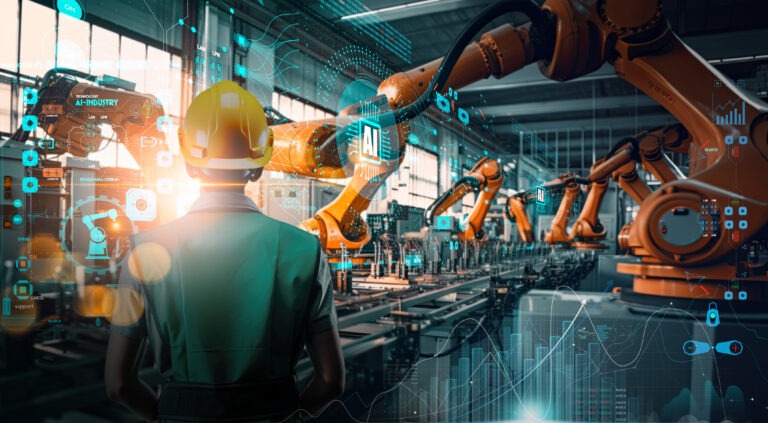
As noted above, one of the biggest fears around automation is job loss. Hard working manufacturing professionals with a belief that automation is going to send them straight to the unemployment line.
At Rain Engineering, we have a different understanding of the situation… We see automation as a tool to empower the workforce, not replace it.
When machines handle repetitive or dangerous tasks, workers are freed up to take on more meaningful, higher-skilled roles. This shift is critical for attracting and retaining talent.
Today’s younger workers are digital natives—they want jobs that challenge their intellect and creativity, not just manual labor.
Automation creates opportunities for workers to engage with technology, from programming robots to analyzing production data and maintaining complex systems.
By upskilling your existing workforce, you not only improve morale and reduce turnover but also build a team capable of sustaining innovation and growth.
This human-centered approach to automation ensures that technology serves people, not the other way around.
Building Resilience and Flexibility Into Manufacturing
Despite it being the problem that comes to mind first amongst today’s manufacturers, the labor shortage is just one of many challenges manufacturers face.
Supply chain disruptions, fluctuating demand, and increasing customization requirements all demand a flexible and resilient production environment.
Automation plays a critical role here.
Automated systems can be reprogrammed and scaled quickly to meet changing needs, enabling factories to run multiple shifts with minimal downtime and reduce the risk of bottlenecks caused by labor shortages.
This flexibility helps manufacturers respond faster to market changes and customer demands.
Moreover, automation can improve workplace safety by taking over hazardous tasks, reducing injuries, and creating a healthier environment for employees.
Reinforcing the idea that a safer workplace is not only better for workers but also reduces costs associated with accidents and insurance.
Looking Ahead: Embracing the Future of Manufacturing
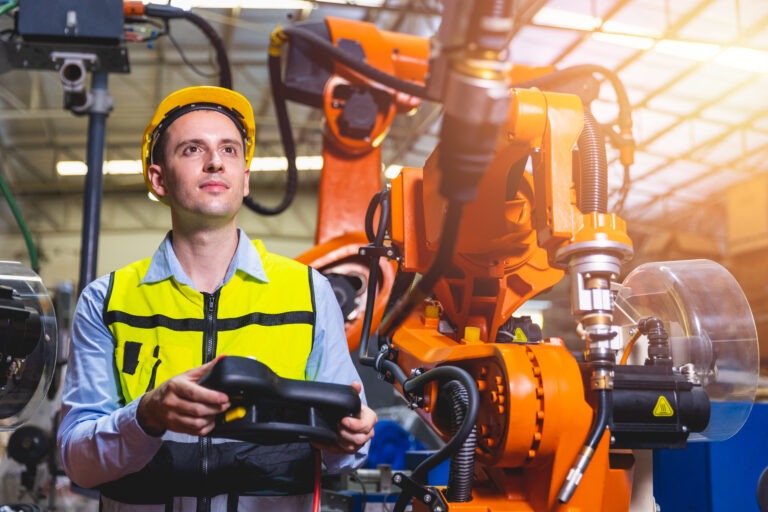
The manufacturing labor shortage is a complex problem with no easy fixes.
… But it also presents a unique opportunity to rethink how factories operate.
By embracing automation, manufacturers can overcome labor shortages, improve quality, increase flexibility, and create more attractive careers for the next generation.
This transformation requires vision, investment, and a commitment to people.
At Rain Engineering, we’re excited to help manufacturers navigate this journey.
Together, we can build factories that are smarter, safer, and more resilient—factories where technology and people work hand in hand to drive innovation and growth.
P.S. At Rain Engineering, we understand that every factory is unique.
There’s no one-size-fits-all solution when it comes to automation.
That’s why we work closely with your team to design and implement automation strategies tailored to your specific needs, equipment, and workforce.
Our approach is collaborative.
We listen carefully to your challenges and goals, then develop solutions that integrate seamlessly with your existing processes.
We prioritize upskilling and training so your people are prepared to work alongside new technologies.
We believe automation should enhance human capabilities, not diminish them.
Our solutions focus on creating a partnership between people and machines—where technology handles the heavy lifting and humans provide oversight, innovation, and problem-solving.
If this sounds like a partner you’d like by your side during your digital transformation, then Rain Engineering would love to hear from you!
Don’t wait for your problems to worsen…
Reach out to Rain Engineering today, and let’s explore how automation can be the solution that powers your future.
