


ARTICLE SUMMARY:
- The manufacturing workforce is shrinking rapidly, and the talent gap is widening as younger generations pursue other industries.
- Many misconceptions about manufacturing work are driving this shift, despite massive advances in technology and workplace culture.
- Companies investing in training, brand storytelling, and inclusive innovation are beginning to reverse the trend.
- Rain Engineering explores how manufacturers can revitalize their image and attract the next generation of skilled, curious builders.
Will Anyone Build What Comes Next?
The manufacturing industry has always been defined by its builders — the thinkers, makers, welders, and engineers who turn raw materials into tangible progress. Yet today, an uncomfortable question hangs in the air: Who will build next?
As the baby boomer generation reaches retirement age and younger workers gravitate toward tech, gig, and creative sectors, the bench of future manufacturers is running dangerously thin.
Despite rising wages, expanding automation, and the prestige of advanced manufacturing, the field still struggles to compete with the image and lifestyle appeal of other industries.
Why are we losing this new generation before they ever walk through the door? And more importantly, what can we do to bring them back?
Today we unravel those mysteries to help prepare the next generation for what’s to come…
A Perfect Storm of Perception and Progress

The root of the talent gap hovering over the manufacturing community isn’t just generational shift; it’s perception.
For decades, manufacturing has battled a public relations problem.
Ask most high schoolers or college students how they picture a manufacturing job, and you’ll still hear words like “dirty,” “dangerous,” or “boring.”
Rarely do they describe clean, data-driven facilities filled with robotics, sensors, or digital production systems — the reality of most modern operations.
According to the National Association of Manufacturers (NAM), U.S. manufacturing is projected to have over two million unfilled positions by 2030.
This isn’t due to lack of capacity; it’s due to misalignment.
Young professionals expect careers that offer flexibility, creativity, and purpose.
Manufacturing has all three — but we’ve done a poor job of showing it.
Social media floods younger audiences with images of software engineers at slick startups or influencers creating digital content from anywhere. Manufacturing’s narrative hasn’t kept up.
The irony is, modern plants often use the same artificial intelligence and cloud platforms as those very startups.
GE, Siemens, and Rockwell Automation are prime examples of companies that blend engineering and digital technology seamlessly — but most high school counselors are still unaware of what a “smart factory” even looks like.
Technology Is Only Half the Solution
The natural instinct within industry circles has been to say, “We’ll fix it with automation.” But automation doesn’t fix a talent gap; it changes what talent is required.
Robots may take over repetitive tasks, but they need skilled technicians, engineers, and data analysts to keep them running smoothly.
The workforce we need now must possess both mechanical understanding and digital fluency.
That means manufacturers have to rethink not just recruitment, but education partnerships and internal development.
Companies like Cummins and Caterpillar, for instance, have invested heavily in on-site training programs that blend traditional trade skills with smart technology exposure — showing younger hires that they’re not just tightening bolts; they’re operating intelligent systems that communicate with cloud-based diagnostics in real time.
The result isn’t just improved efficiency; it’s improved perception.
A job that feels outdated draws little interest.
A job that feels futuristic — one where you’re part of building the next era of automation — resonates deeply with the next generation of workers who have grown up surrounded by technology.
Selling The Story, Not Just the Job
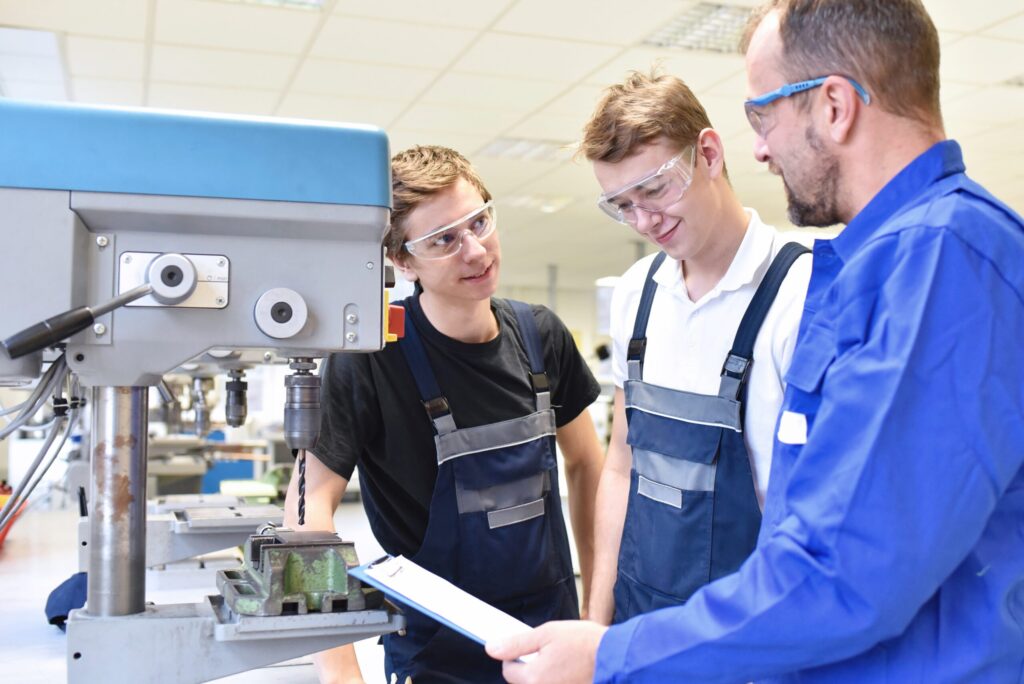
One of the most overlooked aspects of this talent crisis is branding.
Manufacturing companies need to sell their story as much as their product.
Rain Engineering often reminds clients that today’s workforce isn’t just choosing jobs — they’re choosing lifestyles.
They want to feel part of something that matters.
To attract them, manufacturers must do more than list responsibilities; they must tell stories about innovation, sustainability, and personal growth.
For example, Tesla and Rivian have done an exceptional job framing their manufacturing efforts not as factory work, but as participation in a global sustainability mission.
That alignment with purpose transforms perception.
When a company can communicate that its production floor is where future energy solutions or life-changing machinery take shape, young people begin to see themselves in the story.
And this isn’t just for large corporations…
Mid-sized manufacturers can build the same appeal by showcasing community impact, advanced tools, and clear employee growth paths.
Video storytelling, social media visibility, and partnerships with local technical schools can all play a powerful role.
Ever heard of Manufacturing Day? It’s celebrated nationally each October and offers an opportunity for companies like yours to open their doors, invite students in, and let them see firsthand the creativity and teamwork behind production — a small but impactful step toward reshaping public perception. It’s that exact type of outreach that this industry needs more of to help excite the next generation so they will willingly – not reluctantly – take the mantle of this vital industry in the years and decades to come.
Investing In the Human Side of Industry
The next generation values culture as much as compensation.
They want career mobility, diversity, and a sense that their ideas will be heard.
Manufacturers that foster inclusive cultures will have a competitive edge.
Flexible schedules, continuing education, and mentorship programs can make a tangible difference.
… So can improving pathways for women and underrepresented groups into technical roles — areas where manufacturing has historically lagged.
Organizations like Women in Manufacturing (WiM) and The Manufacturing Institute’s STEP Women’s Initiative have shown how visibility and mentorship create retention and enthusiasm that traditional recruiting simply can’t match.
By showing that manufacturing is a place of innovation and inclusion, the industry can recast itself as a worthy frontier for fresh minds seeking purpose, stability, and creativity in equal measure.
Bringing It All Back Home
Every generation has shaped manufacturing in its own image.
The silent generation built, the boomers scaled, Generation X optimized, and millennials digitized.
Now, Gen Z stands at the threshold of an industry facing two paths — decline or reinvention.
Manufacturing already has everything it needs to win them over: cutting-edge technology, global impact, problem-solving opportunities, and tangible results.
What’s missing is the narrative — and the willingness of those already in the field to tell it compellingly.
As those of us within the industry know, manufacturing isn’t fading away; it’s evolving faster than ever.
If we can learn to speak the language of innovation, culture, and meaning — not just machinery — we can transform the looming talent gap into manufacturing’s next great era of rebirth.
– DON RAHRIG

P.S. At Rain Engineering, we help manufacturers future-proof their operations and messaging.
Whether it’s integrating Industry 4.0 technology, developing workforce engagement strategies, or modernizing your brand to appeal to younger generations, we know the factory of tomorrow doesn’t build itself — it’s built by people who believe in it.
How This Relates to You
- You can start addressing your own workforce challenges by reassessing how your company presents its roles and opportunities.
- You can make manufacturing more attractive by highlighting innovation, technology, and purpose-driven work in your communications.
- You can turn internal culture and storytelling into your most powerful recruiting tools.
- You can support your community and pipeline by forming partnerships with local schools or trade organizations.
