




Article Summary
- Shows how a snack food manufacturing system connects ingredient handling, cooking, seasoning, packaging, and QA into one coordinated operation.
- Explains how MES, historians, and line controls transform machine activity into usable production intelligence for planners, operators, and quality teams.
- Uses real food & beverage case studies to illustrate gains in traceability, documentation, OEE, and scheduling when plants integrate their systems.
- Connects those lessons to how Rain Engineering can design snack food manufacturing systems around Proficy and similar platforms for better visibility and responsiveness.
Snack food manufacturing works best when the line is treated as a single, integrated system that turns raw ingredients into trustworthy, well‑documented products, not as islands of equipment.
When equipment, MES, historians, and plant controls are connected, producers gain the throughput, consistency, and traceability that customers and retailers now expect.
This article walks you through how that happens step by step from ingredient handling to packaging and beyond.
From Isolated Machines to a Snack Food Manufacturing System
Walk into a typical snack facility and the physical flow looks straightforward: dry ingredients arrive in bulk, are transformed through cooking, coated with flavors, then bagged and cased at speed.
The hidden reality is that each of those pieces of equipment can either stand alone with its own local settings and paperwork, or be wired into a unified snack food manufacturing system with shared data, recipes, and performance targets.
Novotek’s food and beverage success stories repeatedly show that plants struggling with waste, variable quality, and poor schedule adherence are usually dealing with fragmented systems that limit visibility into what is happening on the line in real time.
When those same plants connected their production lines to MES, historians, and supervisory control, they gained a plant‑wide view of capacity, materials, and losses, and converted that into better throughput and fewer surprises.
Ingredient Handling: Where Traceability Starts
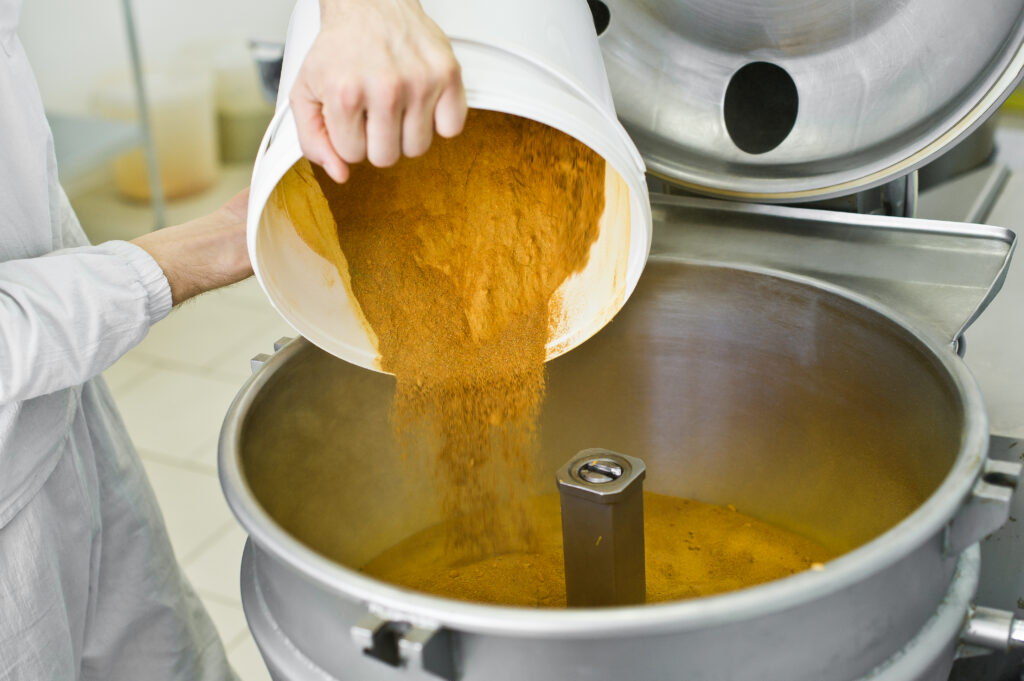
Snack food production begins with ingredient receiving, storage, and automated dosing, and this is where batch genealogy is either captured correctly or lost for good.
Modern ingredient handling systems use silos, bulk bags, conveyors, and weighers that meter corn grits, oils, seasonings, and micro‑ingredients into the process with tight tolerance, so any drift in feed rates shows up as cost, consistency, or allergen risk.
The Novotek case at Arla Foods highlights how capturing detailed batch data from the very start of the process enabled the dairy producer to build “golden batches” and optimize key parameters across its plant, as documented in the Food & Beverage Successes / Global References & Case Studies collection.
In that project, the MES layer aggregated ingredient and process data for every batch so quality and process engineers could see precisely how raw material use, process conditions, and final specifications related, instead of relying on manual notes or disconnected spreadsheets, giving them a far stronger basis for process optimization and documentation.
Cooking And Forming: Turning Parameters into Recipes
Once ingredients are in motion, cooking and forming operations such as extrusion, frying, baking, and cutting determine the core texture and structure of the snack. In a typical extruded snack line, twin‑screw extruders, fryers or ovens, and dryers must be coordinated on setpoints like temperature profiles, screw speed, residence time, and moisture to avoid under‑ or over‑processing.
In an integrated snack food manufacturing system, those process parameters are not just local operator settings but part of centrally managed electronic recipes.
Proficy Plant Applications and similar MES platforms support ISA‑88 batch structures so that recipes can be authored, approved, and downloaded repeatably to line controllers, protecting intellectual property while tightening batch‑to‑batch consistency, as an Americas sugar and ethanol producer did to stabilize its fermentation quality and yields.
Seasoning And Coating: Precise Application, Live Feedback
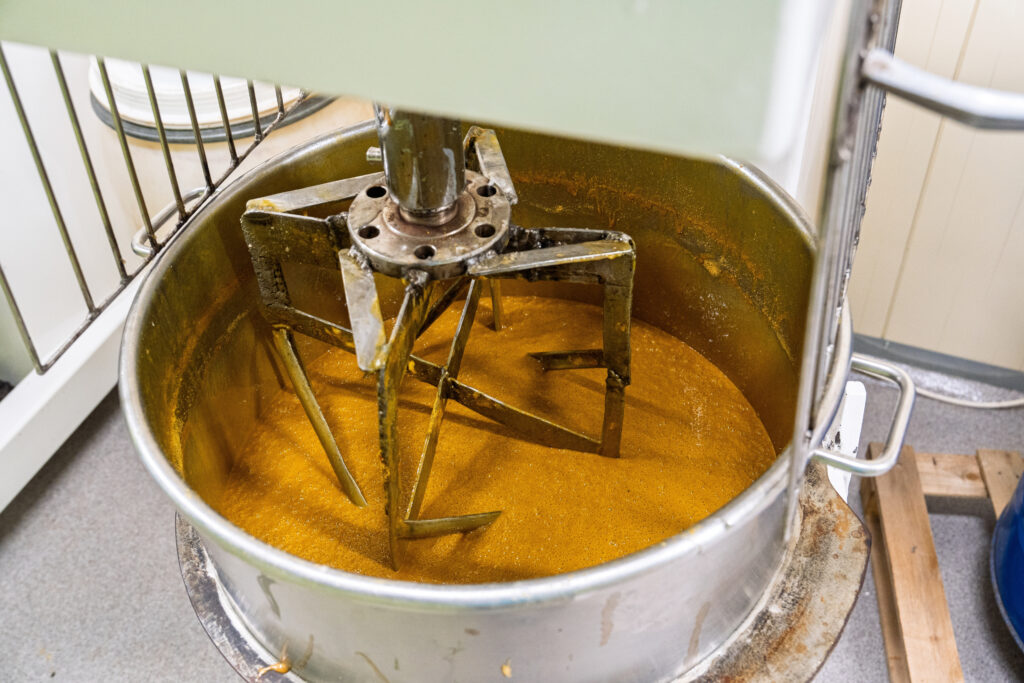
Downstream of cooking, seasoning and coating systems give snacks their signature taste profile, but also introduce variability if not tightly controlled.
Oil sprays, tumblers, and on‑machine seasoning systems must adjust application rates based on product flow and real‑time weight signals to avoid over‑usage that drives cost, or under‑application that hurts brand perception.
Suppliers such as Heat and Control show how integrated seasoning, weighing, and packaging solutions use multihead weighers and feedback loops to keep target weights and flavor levels within narrow limits, feeding all of that data into a central control and information layer.
When that same data stream is captured in a historian and surfaced through MES dashboards, process engineers can correlate seasoning variability with upstream cook conditions or material changes, instead of chasing symptoms at the bagger.
Packaging Lines: High‑Speed, High‑Information Assets
Snack plants often feel the most pain at packaging, where bagmakers, case packers, and palletizers must convert a continuous snack stream into retailer‑ready SKUs under tight changeover and giveaway constraints.
A single high‑speed line may include product distribution systems, checkweighers, metal detectors, VFFS baggers, seal checkers, and case packers, each capable of generating valuable status and performance data.
Novotek’s references show multiple packaging environments using Proficy MES to improve OEE and reduce losses across food and beverage lines.
One example is a chewing gum manufacturer that implemented Proficy Plant Applications and Proficy Historian on its packaging lines and reported about a 10% increase in packaging efficiency and annual savings of roughly 850,000 dollars.
On the brewing side, Browar Warka, part of Grupa Żywiec in Poland, used Proficy Plant Applications, Proficy Historian, and MES capabilities to automatically monitor bottling line stoppages and micro‑breakdowns, ultimately reducing the total number of mechanical and electrical downtime events by 39% and gaining far better visibility into where bottlenecks occurred on the line.
Inline Quality Checks: From Paper Records to Digital Evidence
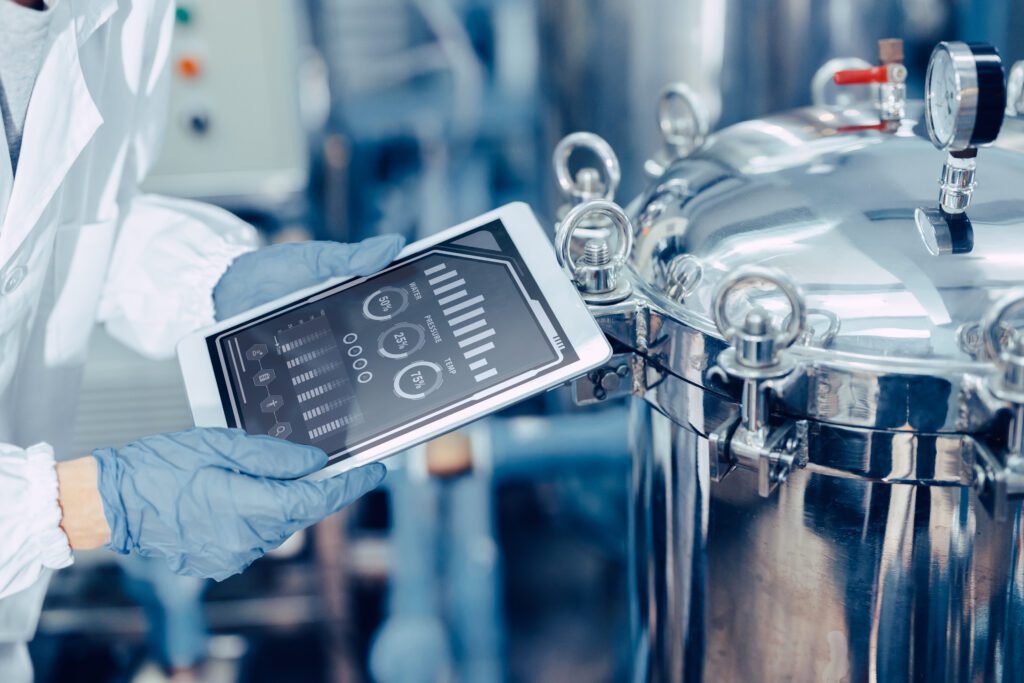
Quality checks in snack operations span metal detection, vision inspection, package seal integrity, weight control, and lab testing for attributes such as moisture, salt, and texture.
Each of these steps is critical for both consumer safety and compliance with customer and regulatory requirements, yet they can quickly become a paperwork burden if recorded manually.
Arla Foods’ experience with Novotek and Proficy highlighted how efficient electronic data collection and documentation became a competitive advantage, especially as customers demanded detailed quality records and proof of traceability for every batch.
As project leader René Nørgaard emphasized, collecting data efficiently and generating documentation is now an important differentiator because customers expect suppliers to demonstrate control and traceability across the full production chain.
MES: The Brain of the Snack Food Manufacturing System
At the heart of an integrated snack food manufacturing system is the MES layer that connects orders, equipment, people, and materials into a coherent execution environment.
Proficy Plant Applications, which appears throughout Novotek’s food and beverage cases, provides modules for production management, quality, efficiency, and batch that sit between ERP and line‑level controls and orchestrate work orders, recipes, and data collection.
ASM Foods’ chocolate production unit in Mjölby offers a clear example of the impact of this integration: by moving from separate recipe and traceability PCs to a unified MES‑driven system, the company gained a holistic view of planning, batch execution, and traceability through a single operator interface, ultimately driving a 20 to 30 percent production increase, as documented in the Food & Beverage Successes / Global References & Case Studies.
For snack manufacturers, that same pattern means an MES that can schedule production, guide operators through standard work, enforce checklists, and record every lot of ingredients and outputs against the right work order without adding manual workload.
Historians And SCADA: Making Line Data Usable

While MES provides structure and context, a plant historian and supervisory control layer ensure that time‑series process data from PLCs and sensors is captured at full resolution and made available for analysis.
Proficy Historian, used in cases from sugar mills to breweries, collects signals from distributed control systems, packaging lines, and utilities, then serves that data to MES, reporting tools, and web dashboards.
In the Australian sugar mill described in the Novotek material, GE’s CIMPLICITY HMI/SCADA combined with Proficy Historian gave engineers flexible configuration and easy access to live and historical data across the factory, supporting a phased modernization that increased processing rates and enabled plant‑wide optimization, as outlined in the Food & Beverage Successes / Global References & Case Studies collection.
For snack operations, the same architecture turns every temperature, pressure, speed, and downtime event into searchable history, whether the goal is troubleshooting a fryer excursion, validating a customer complaint, or tuning a seasoning profile.
Scheduling, Inventory Visibility, And Plant‑Wide Coordination
Beyond the line itself, snack producers need a scheduling and materials picture that matches the realities of short runs, frequent changeovers, and tight shelf life.
In Novotek’s brewery case, linking MES with plant and business systems improved scheduling accuracy and inventory tracking, which led to tighter schedule adherence, a 35 percent reduction in product waste, and a 5 percent increase in packaging productivity, as reported in the Food & Beverage Successes / Global References & Case Studies collection.
Snack producers face the same pressures, especially when serving large retailers that demand on‑time shipments and rapid response to promotional spikes or new flavors.
Integrating ERP, MES, and line controls gives planners real‑time consumption and WIP data, reduces finished‑goods holds by making quality status visible, and aligns upstream ingredient supply with downstream packaging capacity, all of which directly support throughput and service levels.
Traceability, Documentation, And Customer Confidence
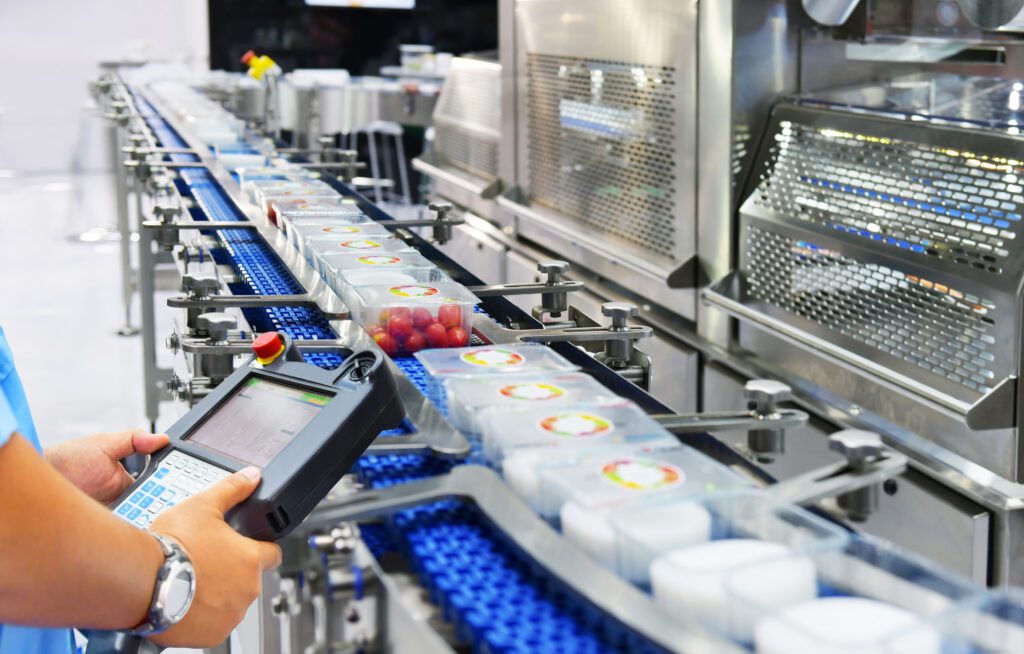
Traceability is no longer simply a regulatory checkbox; it is a bargaining chip in customer negotiations and a risk management tool when something goes wrong.
Advanced systems trace each lot of cornmeal, oil, and seasoning through mixing, cooking, seasoning, and packaging to the pallet and even case level, while recording process conditions and quality checks at each stage.
Novotek’s work with Bolletje, the Dutch baked goods manufacturer, demonstrates how integrated MES and historian capabilities can improve traceability from bakery to store, increase inventory accuracy, and sharpen materials planning and cost understanding for each product line, as documented in the Food & Beverage Successes / Global References & Case Studies.
That same architecture, deployed in snack plants, means that when a metal detector rejects product or a seasoning batch is later found to be non‑conforming, the plant can quickly identify affected lots, generate documentation, and isolate the issue without broad, costly recalls.
Responding Faster When Things Go Wrong
Even well‑designed snack food manufacturing systems face disruptions: a bagger faults, a fryer skim system plugs, a raw material lot behaves differently than expected, or an operator misses a check.
The difference in an integrated environment is how quickly the plant can detect, diagnose, and correct those events before they cascade into lost orders or off‑spec product.
The chewing gum manufacturer in the Novotek reference tied Proficy MES and Historian to OEE scoreboards and automated alerts, so line leaders and maintenance engineers could see real‑time productivity, stoppages, and waste on monitors and mobile devices, then respond before targets were missed.
Likewise, Browar Warka’s use of MES for automatic breakdown logging and web‑based reporting gave production and maintenance teams the insight to identify chronic micro‑stoppages and target improvements where they mattered most, a pattern snack plants can replicate to stabilize their own lines.
What Integration Means for Snack Producers and Partners

The recurring message in these food and beverage examples is that integration, not just automation, drives the outcomes that matter to snack brands and their customers.
Connecting ingredient handling, cooking, seasoning, packaging, and QA to MES, historians, and supervisory control turns a collection of machines into an intelligent snack food manufacturing system that is transparent, traceable, and tuned for high performance.
For technology partners like Rain Engineering, that means designing projects that treat lines and plants as information systems as much as mechanical ones, with Proficy‑class platforms providing a common backbone for scheduling, data collection, and visualization.
When that backbone is in place, snack producers can ship more consistent products, document their quality with confidence, and react to issues or opportunities at the speed their customers now expect.
Check out how we help snack food manufacturers like you.
FAQ
Q: How does an MES help a snack food plant’s daily operations?
A: An MES coordinates work orders, recipes, data collection, and quality checks across snack lines so operators and planners see the same live status, which improves schedule adherence, OEE, and documentation quality.
Q: Why is a historian important in snack food manufacturing?
A: A historian captures high‑resolution time‑series data from fryers, ovens, seasoning systems, and packaging equipment, making it easier to troubleshoot issues, perform root cause analysis, and demonstrate process control to auditors or customers.
Q: What kinds of gains have integrated systems delivered in food and beverage plants?
A: Novotek’s references report outcomes such as 20–30 percent production increases at ASM Foods, a 10 percent OEE gain and about 850,000 dollars in annual savings at a chewing gum manufacturer, and significant reductions in downtime and waste at Browar Warka’s bottling lines.
Q: How does this apply specifically to snack food manufacturers?
A: Snack producers can apply the same integrated architecture to link ingredient handling, cooking, seasoning, and packaging, gaining traceability from raw materials to pallet, better materials planning, and faster response to quality or equipment issues in their own plants.
P.S. If you are evaluating how to turn your snack line into a true snack food manufacturing system, Rain Engineering can help you architect and implement Proficy‑based MES, historian, and plant‑wide control solutions that connect your equipment, people, and data into one integrated, traceable production environment grounded in the same best practices highlighted in Novotek’s food and beverage successes.
Interested in learning more?
