


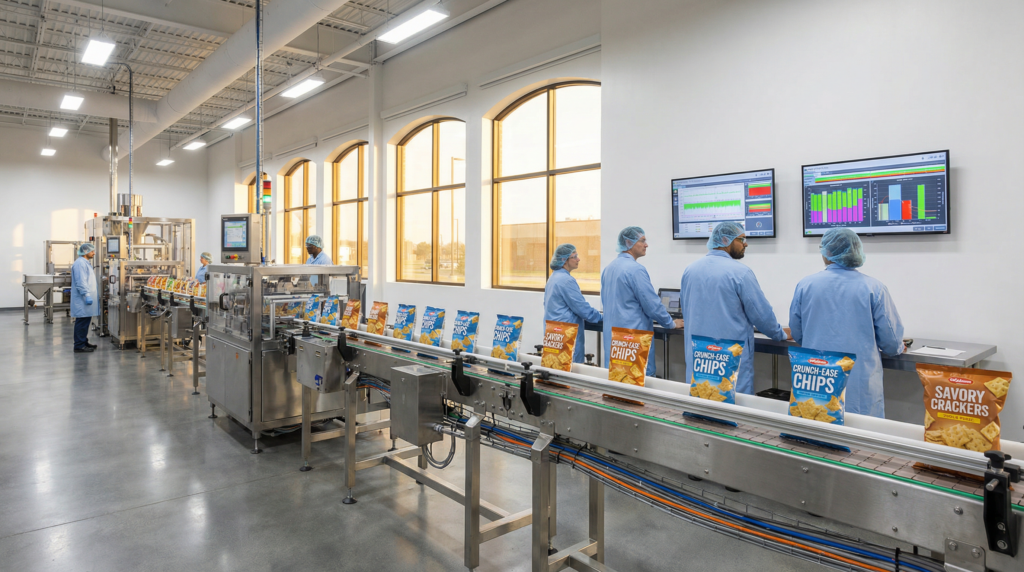
Don’t Let Data Stop Your Snack Food Manufacturing
Snack food manufacturers run high-speed, high-mix lines under constant pressure — from changing flavors to FDA batch records. Rain Engineering connects your shop floor to Proficy so your team always knows what’s happening, why it’s happening, and what to do next.
What is causing downtime, waste, and OEE loss on your snack food line?
You didn’t buy Proficy to generate reports no one reads. You bought it to run a tighter line. Here’s what we hear from snack food manufacturers every week.
Changeover Chaos
High-mix snack lines with 20+ SKUs mean frequent flavor and format changes. Without automated Proficy scheduling, changeover decisions live in spreadsheets and tribal knowledge — costing hours every shift.
FDA Batch Records
Electronic batch records in Proficy eBR need to be configured, validated, and maintained. Regulatory audits don’t wait — and paper-based backup processes are a compliance liability.
Invisible OEE Losses
You know your filler or seasoning tumbler is the bottleneck, but Proficy isn’t giving you the downtime reason codes your team needs to act on. Root cause stays a mystery.
Legacy Equipment Gaps
New lines talk to Proficy. Older seasoning lines, ovens, and checkweighers don’t. Data islands mean your MES dashboard never tells the complete story.
Operator Adoption
Proficy screens built for IT, not operators. When the interface requires training to understand, people revert to clipboards and radio calls — your system investment sits idle.
ERP Is Flying Blind
Your SAP or Oracle system is making production decisions based on yesterday’s data. Without real-time Proficy-to-ERP integration, planning and actual output stay permanently out of sync.
See How a Snack Food Plant Reduced Downtime with Real-Time MES Data
The Challenge
A mid-size tortilla chip manufacturer running 6 high-speed lines had Proficy Plant Applications installed but only used 30% of its capability. Downtime data was collected manually, batch records were still paper-based, and no one trusted the OEE numbers coming out of the system.
What Rain Engineering Did
Rain Engineering performed a full Proficy gap assessment, reconnected 4 legacy Allen-Bradley PLCs to the Plant Applications data collection layer, rebuilt the downtime reason code taxonomy with the production team, and stood up electronic batch records compliant with 21 CFR Part 11.
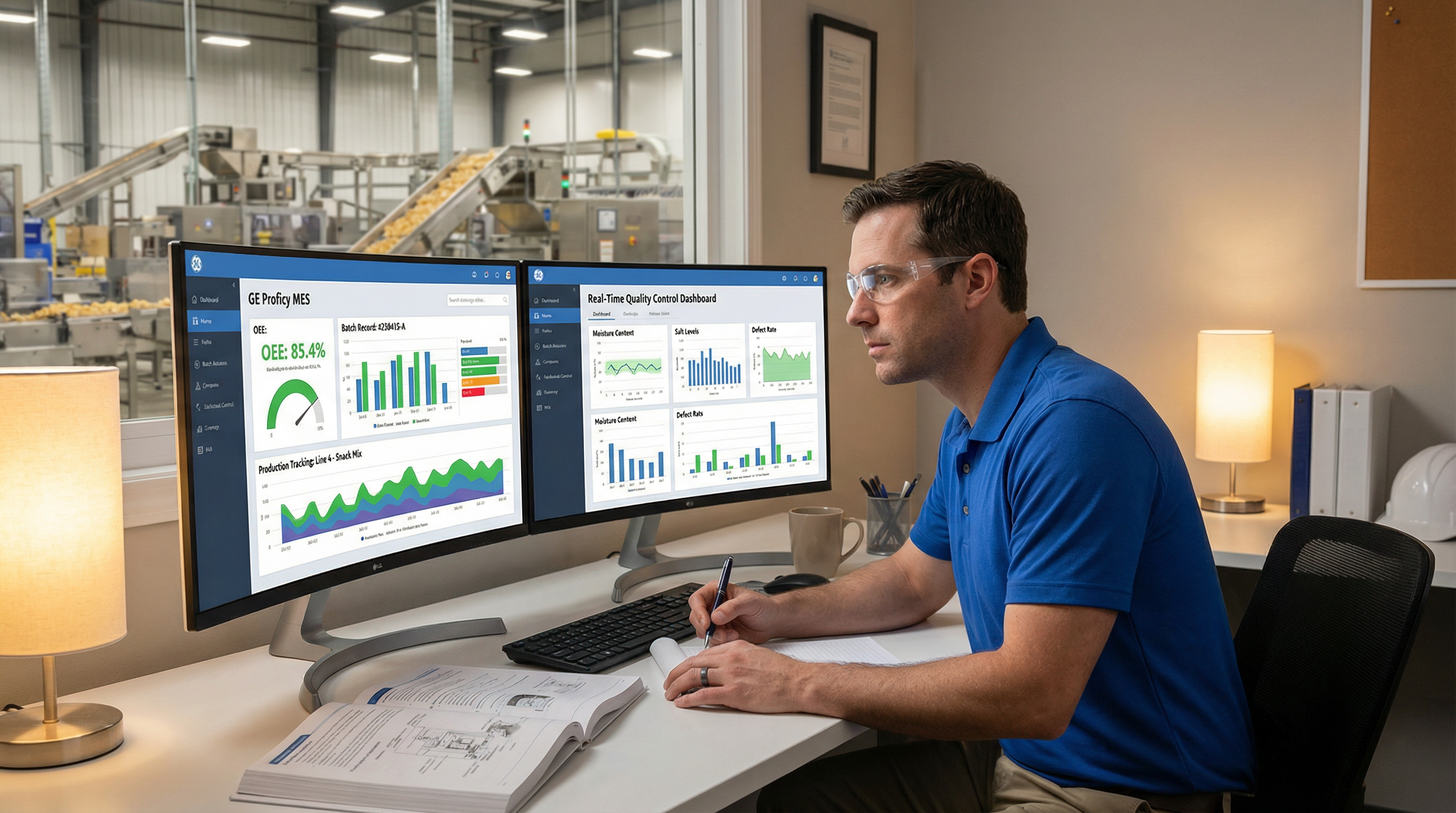
Proficy Expertise Built for Snack Food Lines
We don’t consult from a distance. Our team has configured Proficy for high-speed forming, coating, baking, and packaging lines. We know the equipment, the data models, and the operators.
Proficy Implementation & Configuration
From initial Plant Applications setup through to validated production. We configure data models, reason codes, and workflows around your actual SKUs and line configurations — not a generic template.
Shop Floor Equipment Connectivity
Legacy seasoning tumbler, checkweigher, metal detector, or filler not talking to Proficy? We connect them. Allen-Bradley, Siemens, Beckhoff — we’ve built the bridges across snack food automation brands.
Electronic Batch Records (21 CFR Part 11)
We design, configure, and validate eBR in Proficy to FDA standards. Audit trails, e-signatures, and exception reports — built for your snack food regulatory requirements, not a pharma template.
OEE & Downtime Analytics
We build the downtime reason code models, operator workflows, and Proficy Historian trending that turn raw machine signals into actionable OEE reporting your maintenance and production teams will actually use.
24/7 Proficy Support
When your Proficy system goes down at 2am on a Tuesday, you need someone who knows your configuration — not a help desk reading from a script. Our support team has your system docs on file.
More Stories from Flexible Packaging Manufacturers
All Customer Stories-
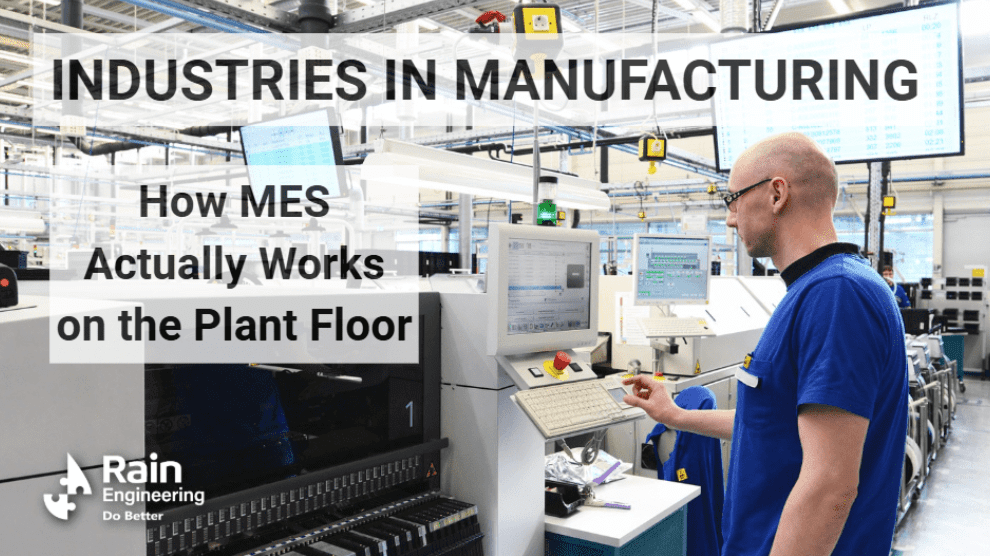
How MES Actually Works on the Plant Floor in Different Industries
One of the largest risks is investing in MES that never really lands on the plant floor. This happens when software is implemented as a generic template, with limited reference to how work actually flows. The result is a system that may technically function but does not match the shop floor language, operator roles, or existing constraints. People then avoid it, or use it only enough to satisfy reporting requirements, and the rest of the investment quietly becomes shelfware. Avoiding that outcome starts with the recognition that MES is as much about operations as it is about technology.
-
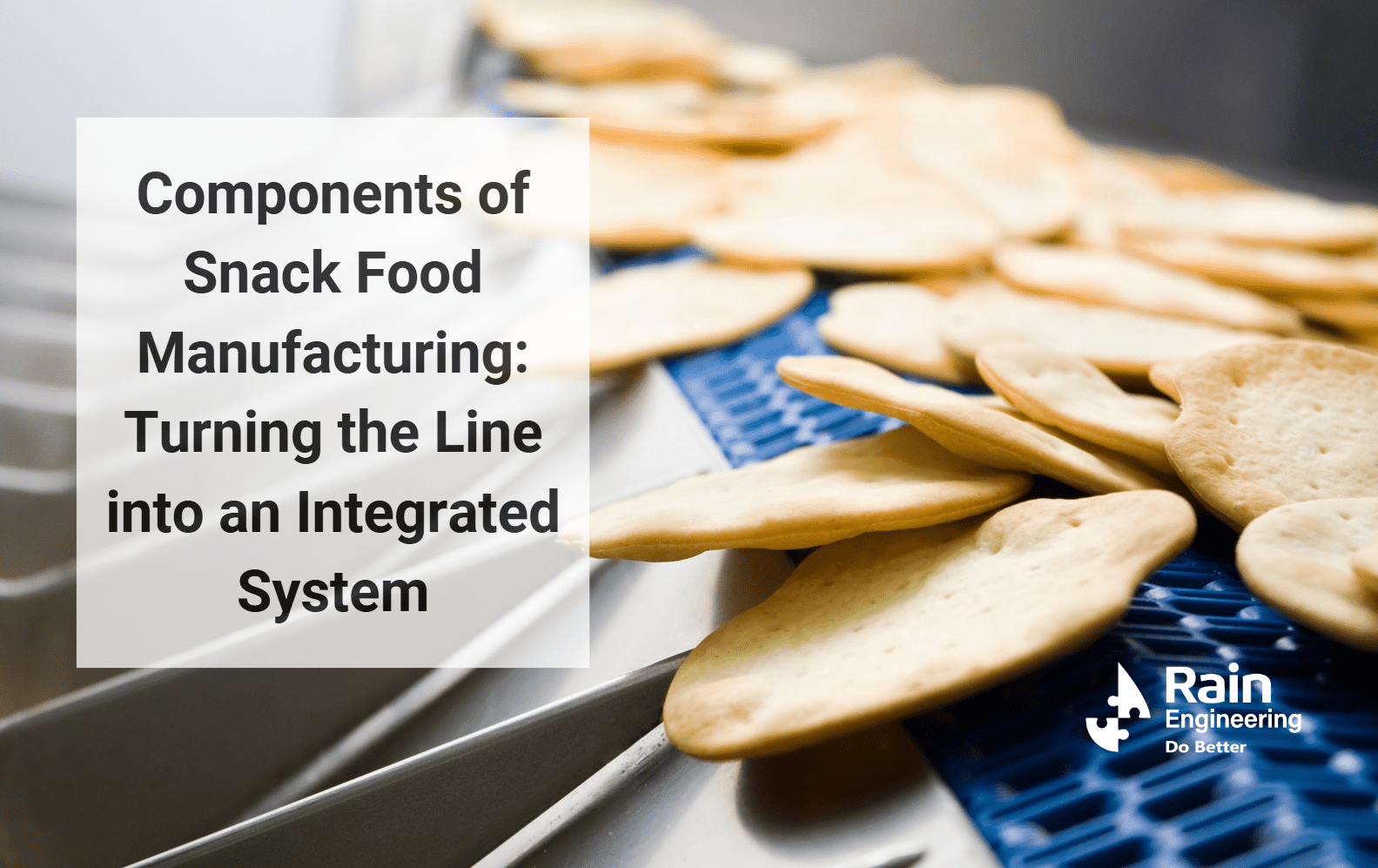
Components of Snack Food Manufacturing: An Integrated System
Walk into a typical snack facility and the physical flow looks straightforward: dry ingredients arrive in bulk, are transformed through cooking, coated with flavors, then bagged and cased at speed.
The hidden reality is that each of those pieces of equipment can either stand alone with its own local settings and paperwork, or be wired into a unified snack food manufacturing system with shared data, recipes, and performance targets. -
What Customers Demand from Food and Beverage Manufacturing
Customers in food and beverage are no longer satisfied with generic quality claims; they increasingly expect concrete, digital proof of food and beverage traceability at the batch and ingredient level, delivered quickly and on demand.
For manufacturers, that expectation is turning production data, documentation, and MES-powered traceability from “nice to have” into a core competitive requirement.