


Future Trends: What Manufacturers Need to Watch

The future of American manufacturing is unfolding before our eyes, written every day by innovators, problem-solvers, and bold companies who refuse to stand still.
For those invested in this sector, the signals of change are everywhere—on the factory floor, in hiring strategies, and embedded in conversations about competitiveness and sustainability.
If you’re among the manufacturers striving to grow and adapt, you already know: staying on top of emerging trends isn’t a luxury, it’s a necessity.
Curious about how these cutting-edge innovations are reshaping the industry—and what it all means for forward-thinking manufacturers? Read on to explore the pivotal trends defining the next era of American manufacturing.
The New Face of Manufacturing Technology
Gone are the days when manufacturing was simply about raw materials and physical labor—today, the backbone of productivity is summed up by one word… technology.
Perhaps now more than ever, artificial intelligence (AI) and machine learning have become more than just buzzwords as real-world manufacturers are now using these tools to predict machine maintenance needs, automate detailed quality checks, and optimize complex supply chains.
By harnessing algorithms that learn from historical data, companies can reduce costly downtime, spot inefficiencies, and keep production lines running at peak performance.
Paired with this, next-generation connectivity—like 5G wireless networks—is transforming how machines, sensors, and humans communicate.
The jump to 5G doesn’t just mean faster downloads; it enables near-instant transfer of massive streams of data between devices on the shop floor. This improvement builds upon the foundation created by Industry 4.0 for today’s “smart factory,” where equipment talks to each other, operators get real-time feedback, and managers can spot (and solve) problems before they escalate.
Companies ready to invest early in these technologies find themselves ahead of the curve, more nimble, and better positioned to respond to shifting market demands.
Simulating the Future, Today
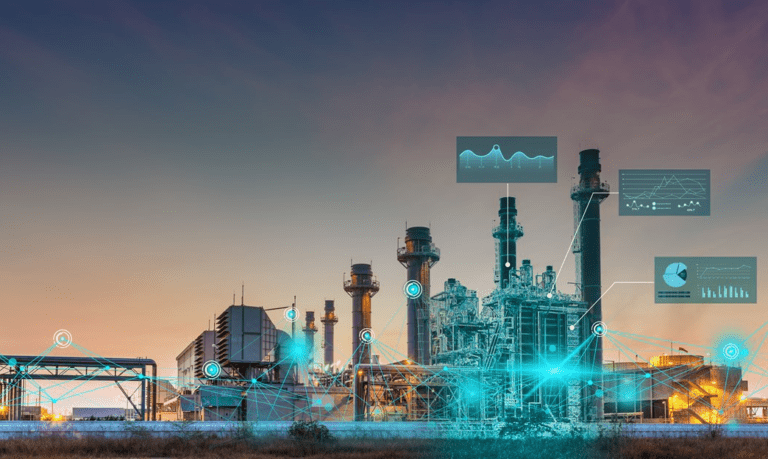
Manufacturers are also embracing tools that allow them to model, experiment, and improve without ever disrupting a live production line.
Edge computing—the processing of data closer to where it’s generated, instead of sending everything to the cloud—places intelligence directly on the floor, allowing for decisions that once took minutes or hours to now happen in split seconds.
This empowers operators to spot issues or seize opportunities in real time, whether it’s adjusting machine settings or redirecting resources to meet an urgent order.
Building on this, digital twins—virtual representations of equipment, products, or entire factories—let companies simulate new processes, test out ideas, and visualize improvements before making physical changes.
This not only reduces risk and accelerates research and development but also fosters a culture where creativity and precision coexist.
Teams can collaborate on new designs, troubleshoot remotely, and bring innovations to market faster.
Manufacturing with a Purpose
Sustainability isn’t a separate initiative—it’s woven into every successful manufacturer’s playbook.
Companies are rethinking how products are designed, shifting toward models where materials can be reused, recycled, or remanufactured, minimizing waste at every stage.
Energy consumption is tracked and optimized, green technologies are championed, and compliance with environmental regulations is now viewed as an opportunity for savings and positive brand recognition, not just a requirement.
The result? Operations that are not only leaner and cleaner but also more marketable to buyers who increasingly care about environmental impact.
Sustainability efforts—whether in the form of closed-loop recycling, renewable energy investments, or efficient logistics—become differentiators in a crowded market.
Collaboration and Security in a Connected World
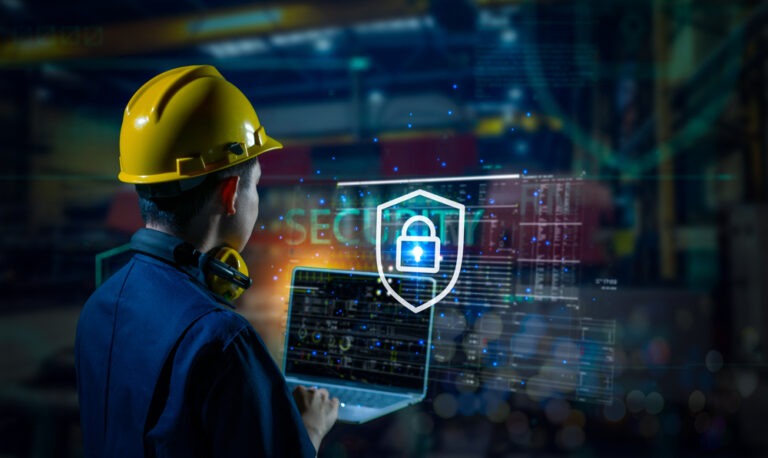
Technology is only as good as the people and systems supporting it.
The appearance of collaborative robots, or “cobots,” reflects a new era where people and robots work side by side—augmenting each other’s strengths.
These cobots are easy to program, adaptable to different tasks, and scalable for operations of any size, allowing even small manufacturers to benefit from automation without complex programming or huge upfront investments.
However, this interconnected world brings new vulnerabilities.
Ransomware attacks, intellectual property theft, and simple production disruptions now pose real threats.
As a result, cybersecurity has shifted from being an IT problem to an executive-level concern.
Forward-thinking manufacturers are embedding robust security protocols right from the start—ensuring their operational technology is as protected as their business data.
The Human Side of Transformation
While machines and software may do much of the heavy lifting, the heart and soul of manufacturing remains its people.
With each new wave of technological change comes the need for new skills—or even entirely new roles.
The industry is responding by upskilling existing workers, offering training in areas like programming, data analysis, robotics operation, and cybersecurity.
Manufacturers are also reaching out to local colleges and vocational schools, shaping curricula that align with real-world production needs.
What’s being discovered is that companies who invest in workforce development actually attract and retain top talent, foster loyalty, and build a resilient organization capable of weathering any storm.
In this sense, investing in people isn’t just the right thing to do—it’s an essential pillar of long-term competitiveness and adaptability.
The Wrap Up: Shaping the Next Era of American Manufacturing
Manufacturing is, at its very core, an industry driven by ingenuity and resilience.
The trends reshaping American manufacturing aren’t just about technology for technology’s sake; they’re about building smarter, more robust operations that can deliver value to customers while creating good jobs and supporting local communities.
As you look to the future, remember that staying aware of new developments—adopting tools, technologies, and mindsets that foster agility and improvement—will define who leads and who falls behind.
… And as we manufacturers continue down this path of sustainability and prosperity, it’s important to remember that the story of American manufacturing is far from over. (In fact, the most exciting chapters are still to be written.)
P.S. If you’re looking for a partner who truly understands these trends—and can help you not only adapt but excel in this ever-changing landscape—reach out to Rain Engineering today.
Our commitment is to move manufacturing forward, blending digital transformation, automation expertise, and sustainable growth.
Together, we can create the future you envision.
