


Passing the Torch: Wisdom, Worry, and What’s Next in this Automated World

If you’ve spent your career in manufacturing, the machines, processes, and people on your plant floor are more than just a job—they’re your legacy. Yet, lately, it seems like every week there’s a new technology, a smarter machine, or another headline warning of robots taking over.
For many seasoned manufacturers, this rapid change can feel less like innovation and more like an avalanche, threatening not just your role, but the future for those who will follow in your footsteps.
Do you or someone you know have these concerns?
If so, let’s pause and honestly explore this crossroads, seeing it through two sets of eyes: those who worry automation is erasing hard-earned livelihoods, and those who see it as manufacturing’s next big leap. Then, let’s find out what’s truly at stake—and what’s waiting for us all on the other side.
Walking in the Shoes of Automation Skeptics
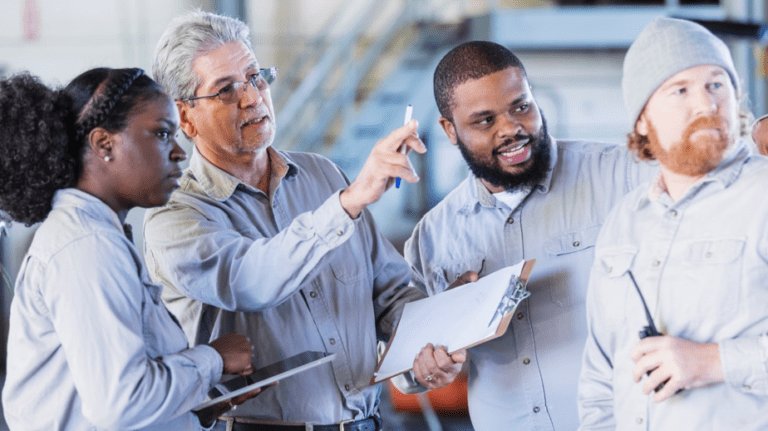
You know the hum of the floor, the rhythm of a day’s work, and the satisfaction of a job done right.
But as new machines move in—quieter, faster, untiring—it’s only natural to wonder: Will there even be a place for someone like me? Will my children find the kind of steady, honest work that has supported our family and community for generations?
For many, these worries run deep.
Experienced craftsmen and machine operators see changes on the horizon and fear being left behind, replaced by systems that never tire or need a coffee break.
Stories circulate about lost jobs, and sometimes, learning a new digital tool in your fifties or sixties sounds less like an opportunity and more like a threat.
This isn’t just resistance for resistance’s sake—it’s a very real concern about losing both livelihood and purpose, the things that define our daily lives and, in many cases, our very self-worth.
Seeing the Opportunity Through a Digital Lens
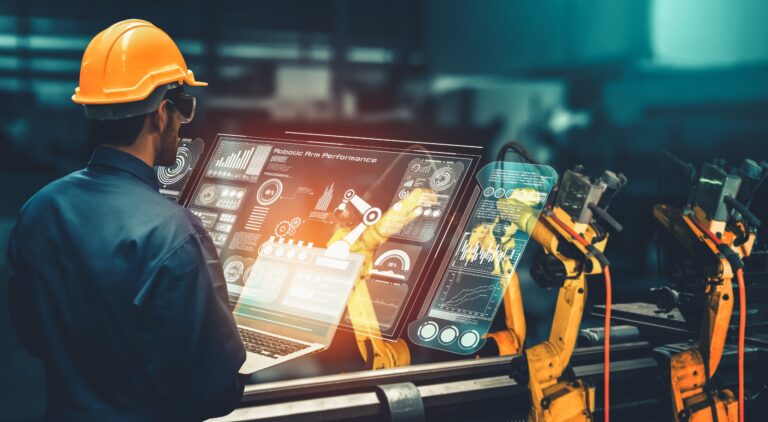
Now, imagine a different vantage point.
Picture the forward-looking manufacturers who see technology not as a threat to tradition, but as a bridge to a new kind of excellence.
For this group, automation is actually bringing production home, making it possible for American companies to compete globally while keeping jobs on U.S. soil.
And it’s not just about numbers—the new jobs cropping up are ones that demand problem-solving, leadership, and technical skill.
They pay better, offer more room for growth, and, paradoxically, rely on the judgment and wisdom that only experienced workers can bring.
The reality is that as automation takes over the most monotonous, repetitive, and dangerous tasks, it frees up people to do more interesting, rewarding work.
Today’s manufacturing jobs are evolving—think of technicians maintaining sophisticated robots, or operators who use data to keep entire lines humming smoothly.
These roles may sound high-tech, but they depend just as much on hands-on know-how and the creativity that seasoned workers have always brought to the table.
What’s the Real Story?
So, which is it—a future of vanishing jobs, or one bursting with promise?
The answer is, in truth, a bit of both.
Yes, some jobs will disappear, particularly those that are hardest to fill or most repetitive. But the dawn of digital manufacturing isn’t about replacing people with machines—it’s about transforming work, improving pay, and opening new paths where ingenuity and commitment can shine even brighter.
Manufacturers who succeed in this new era aren’t the ones who resist change, nor those who chase every new trend blindly.
They’re the ones who invest in people as well as technology, who train their teams for tomorrow’s jobs, and who honor the expertise of long-time workers even as they teach new skills.
With this approach, digital transformation doesn’t erase the contributions of those who came before—it amplifies them, building a future that’s more secure, more rewarding, and just as proud as ever.
The Wrap Up
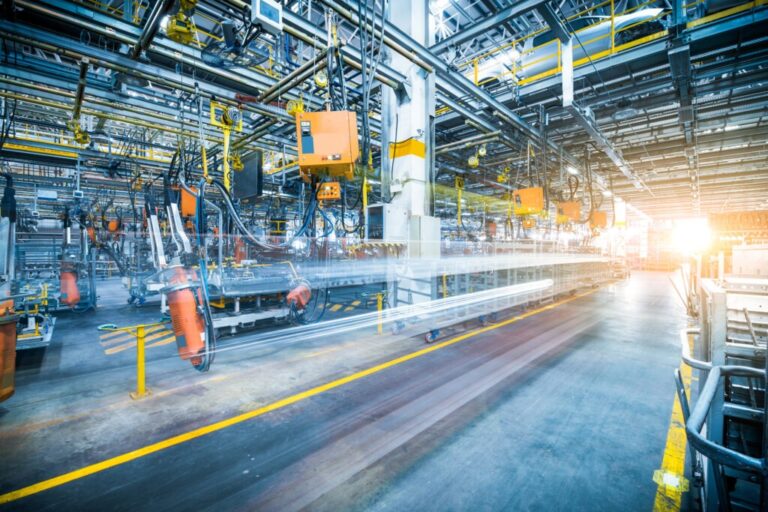
Don’t worry… The heart of manufacturing remains the same: solving problems, making things better, and helping people thrive. It’s only the methods of reaching the finish line that are being altered.
True, the tools may be changing, but the spirit – the hard work of the generations that got us to where we are today – will continue to endure.
In the end, the factories of the future – those that will belong to the next generations – will be filled with – both – the hum of machinery and the wisdom of experienced workers. Both entities partnered side by side, working TOGETHER to reach even new industry heights and using modern technology with some good old fashioned human skill to continue to make today’s impossible tomorrow’s reality.
P.S. At Rain Engineering, we know that real transformation is about more than technology—it’s about people.
That’s why we’re dedicated to guiding manufacturers through every step of the digital journey, helping teams reskill, adapt, and find their place in a changing world.
If you’re ready to embrace the possibilities of tomorrow while preserving the values that have made you strong, Rain Engineering is the partner you need.
Together, we can shape the future of American manufacturing, one innovation—and one worker—at a time.
